


New Zealand reaches an important point in its online casino reform on 29 September, when the government begins auctioning rights that could eventually lead to as many as 15 online casino licenses.
This is more than a straightforward registration process for offshore gambling companies. New Zealand is putting a formal licensing structure in place, meaning operators must first compete for the right to apply and then go through a separate assessment before they can secure a license.
The auction comes as New Zealand tries to bring an online casino market that has largely operated through offshore companies into a domestic regulatory framework. The Department of Internal Affairs (DIA) has been developing the system throughout 2026, with the Online Casino Gambling Act now in force and supporting regulations already established.
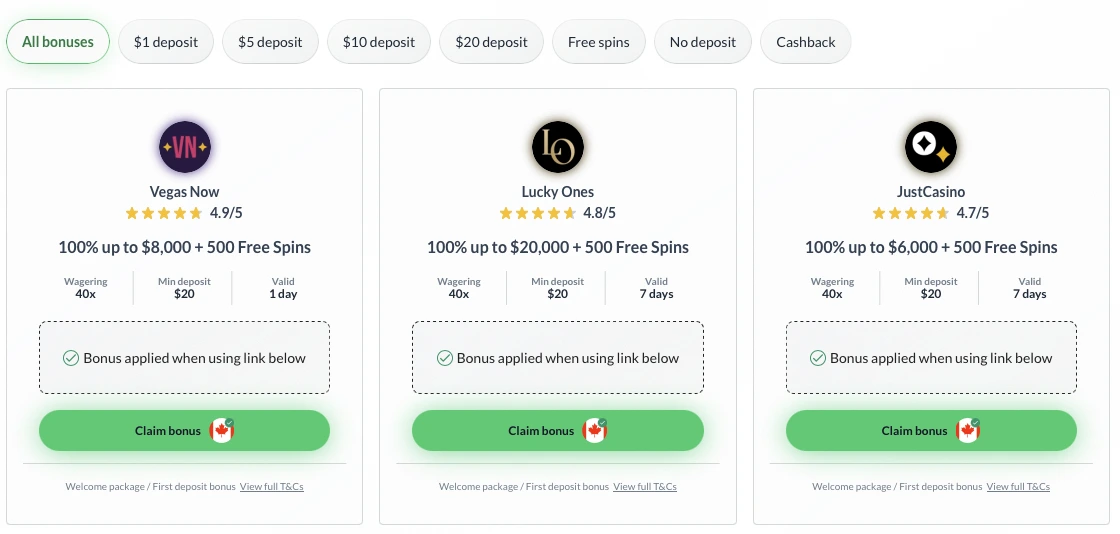
This shift may eventually bring greater scrutiny to the way online casinos present their services to the country’s customers. Take promotional offers, for instance. A phrase like $20 no deposit bonus can make an offer sound straightforward but leave important questions about the applicable wagering requirements.
But with the new framework changes in place, New Zealand-focused operators may have to meet more specific requirements around how they present their gambling services.
The 15 places are rights to apply, not licenses
New Zealand is making up to 15 online casino gambling licenses available, but winning bidders will not walk away with a license automatically. They will instead gain entry to the third stage, allowing them to submit a full application.
Only operators whose expressions of interest the DIA accepted can take part in the auction. The expression of interest (EOI) stage closed on 14 August, and the department says those successful at the stage have already been notified.
The auction itself uses an ascending clock format. In other words, rather than operators submitting sealed bids once, the price moves upwards in stages. At each price, participants decide whether to stay in the process or withdraw. The auction continues until demand matches the number of available positions.
That’s why the 29 September event is more than a simple license application window. The government is using competition to determine who gets the opportunity to enter the final licensing stage.
There’s also a limit on concentration. One operator cannot receive more than three of the available licenses. Each license applies to a single brand, although that license can cover the different platforms through which the brand operates. Once received, a license can last up to three years and may be renewed for another five years.
The financial threshold was already visible during the first stage. Applicants had to demonstrate access to at least NZ$7.5 million in capital and pay a prescribed EOI fee of NZ$19,000.
The auction price would be determined through the competitive process, meaning the final cost of securing a place can’t be known before the auction.
Why the market has attracted international attention
New Zealand’s iGaming scene has never been a purely local affair. According to the DIA’s market research, four countries lead the way for overseas-processed gambling: Cyprus, Gibraltar, Great Britain and Malta. Together, those countries accounted for over 96% of the market spend measured in the dataset for the year ending September 2025.
That helps explain why the licensing process is being watched beyond the country. Companies operating in several jurisdictions are now facing a different question in New Zealand, as they must now determine whether they can meet the country’s domestic licensing requirements rather than simply serve customers from an offshore jurisdiction.
A quick look at market data shows why regulators are not left behind either. According to DIA, casino merchants accounted for 14% of the iGaming market in the year ending September 2025, up from 11% a year earlier. The report went on to highlight a 38% year-over-year increase in casino spending. The wider market also grew, with total iGaming spend up 10.5% in the same period.
The number of transactions rose 8.8%, while the number of unique customers rose 2.7%. Those figures describe a market that was already established before the new framework was introduced. The government’s stated approach is therefore less about establishing iGaming from scratch and more about creating a system where casinos can operate with more accountability.
You may be aware of the growing concerns around problem gambling. Yes, placing bets is a form of entertainment. But if it’s not approached with caution, it can lead to harmful behavior. And now that a significant share of New Zealanders are already gambling, the government needs to have a way to protect these individuals. This is part of why the market is drawing attention from across the board.
What happens after the auction
The auction is only one part of the process. Successful bidders are expected to move into the license application stage in October, where they’ll need to hand over a detailed application, including a business plan that tackles:
- Advertising and marketing
- Consumer protection
- Harm minimization
- Compliance
The DIA will then assess whether the applicant is suitable to hold a license and capable of meeting the regulatory requirements.
This makes the July regulations quite important. They came into force on 3 July 2026 and provide the detailed operating rules that sit underneath the new licensing system. The regulations cover harm prevention and minimization, as well as consumer protection, record-keeping, advertising and marketing.
Take an aspect like customer control, for instance. Licensed operators must let customers set limits for gambling time, deposits and spending. They also need to offer ways for customers to take breaks from play or choose self-exclusion for customers during actual play. And if someone requests self-exclusion, the operator has to process it without undue delay and within 24 hours at the latest.
There’s also a clear transition deadline. According to the DIA, providers that have not applied for a license must stop conducting online casino gambling in New Zealand from 1 December 2026. But those who have submitted an application can continue operating under an exemption while their application is considered; they just won’t be able to advertise during that period. The DIA expects the fully licensed regime to be operational in 2027.
What changes once the domestic licensing regime is operating
Stricter regulations could make it tougher for some operators to stay in the market. Imagine facing a fine of up to NZ$5 million for running an unlicensed website aimed at the country’s players. Penalties of that size can affect operations, giving some operators reason to stay away.
But for those who will acquire a license, gambling duty will become another part of the operating equation. The current online gambling duty rate is 12%, but that is set to change. The Online Casino Gambling Act 2026 increases the rate to 16%, effective 1 January 2027.
But enforcement could also be a challenge. Since many of many casinos are headquartered in jurisdictions that will not enforce New Zealand judgments, players could still use VPNs to access them. That means these casinos may not fully adapt to the country’s regulations.
What might not change?
Amid all these changes, several things might not change. Players, for example, are unlikely to lower their expectations simply because the licensing rules have changed. Someone accessing online poker from Auckland may still expect the game to load properly on a mobile phone. Another one elsewhere may still want clear information about payment processing attached to an account.
If you fail to meet these expectations, you may discourage engagement. According to UXCam, mobile users are 5 times more likely to leave a website when it is not designed for mobile use. So, if the regulatory changes are going to reshape the market, they may also have to align with what customers expect from websites.
In other words, operators still need to prioritize user experience regardless of regulatory changes. If they fail to do so, offshore platforms may take advantage of that to continue leading the market.