

Playgon Games and Digital Nation Entertainment have signed a definitive agreement to build an AI Dealer platform for online casinos. The plan puts a real-time digital-human host at the table in place of a person, a conversational, multilingual presence designed to run around the clock without a physical studio behind it.
For poker players who treat licensing and RNG certification as basic due diligence, none of this changes the actual checklist. A roulette wheel is, mechanically, easier to audit than a shuffled deck, because the ball drop is a physical, repeatable event that independent testing labs can observe directly. A confident, well-spoken dealer, human or otherwise, is not a substitute for a certified random number generator or an audited wheel, and the licensing checks, payout record and independent testing that apply to a poker room apply just as directly to a game of live roulette online.
Anyone who has played poker online for money has run a version of this audit before signing up. Before depositing at a new room, the questions are consistent: does the site hold a valid licence, has it paid out reliably, and is its random number generator tested and certified by an independent third party. Our own review methodology treats licensing, payout complaints and independent RNG certification as the baseline before any room earns a recommendation.
A Fluent Host Says Nothing About A Certified Wheel
That natural, interruptible conversation style now turns up in customer support and training well beyond casino floors, part of a broader digital-human technology category that AI Dealer draws on rather than invents.
None of that conversational polish confirms how outcomes are generated. Whether a host is convincing and whether a game is fair are separate questions, and only one of them is new to live casino.
The rollout is phased rather than immediate. Baccarat comes first, blackjack follows, and roulette arrives last. Playgon’s chief executive, Darcy Krogh, has said the goal is to complete the full AI Dealer suite before the end of 2026, with an initial market launch targeted for the third quarter of the year.
That sequencing keeps the story live for anyone watching real tables now rather than one that has finished playing out.
The Wheel Still Spins While The Host Changes
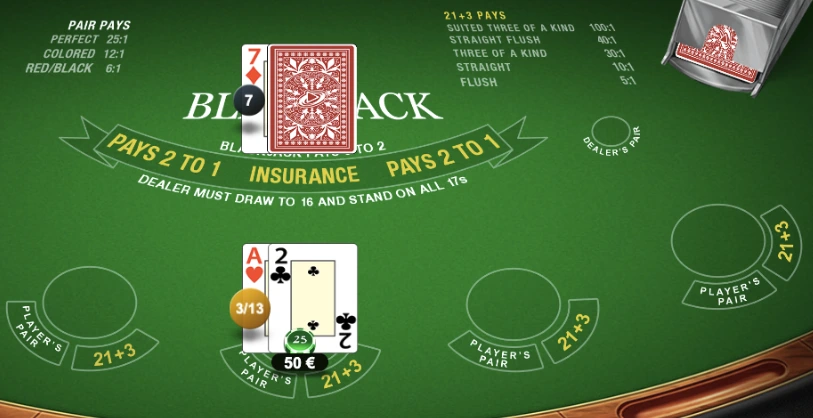
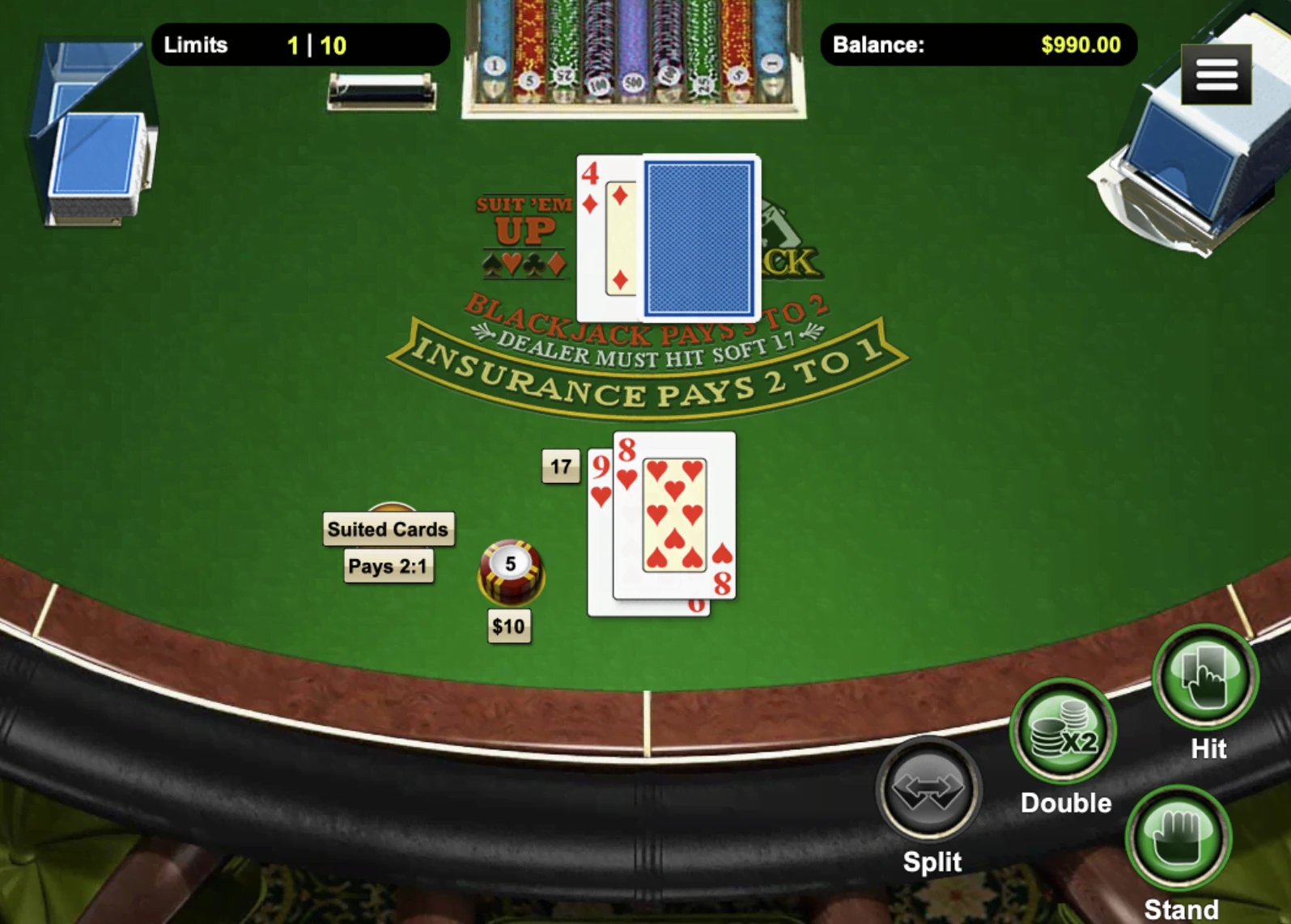
The game itself is not changing. Cards still get dealt and wheels still get spun using mechanics that a regulated live casino has run on for years. What changes is who is running the table.
A digital-human dealer is built to be an emotionally intelligent, multilingual host, capable of working a table for 24 hours a day without the staffing or studio limits a person brings. That is a cost and scalability decision as much as a technical one. It swaps the person for software while leaving the game engine underneath untouched.
A Live Comparison While Roulette Waits Its Turn
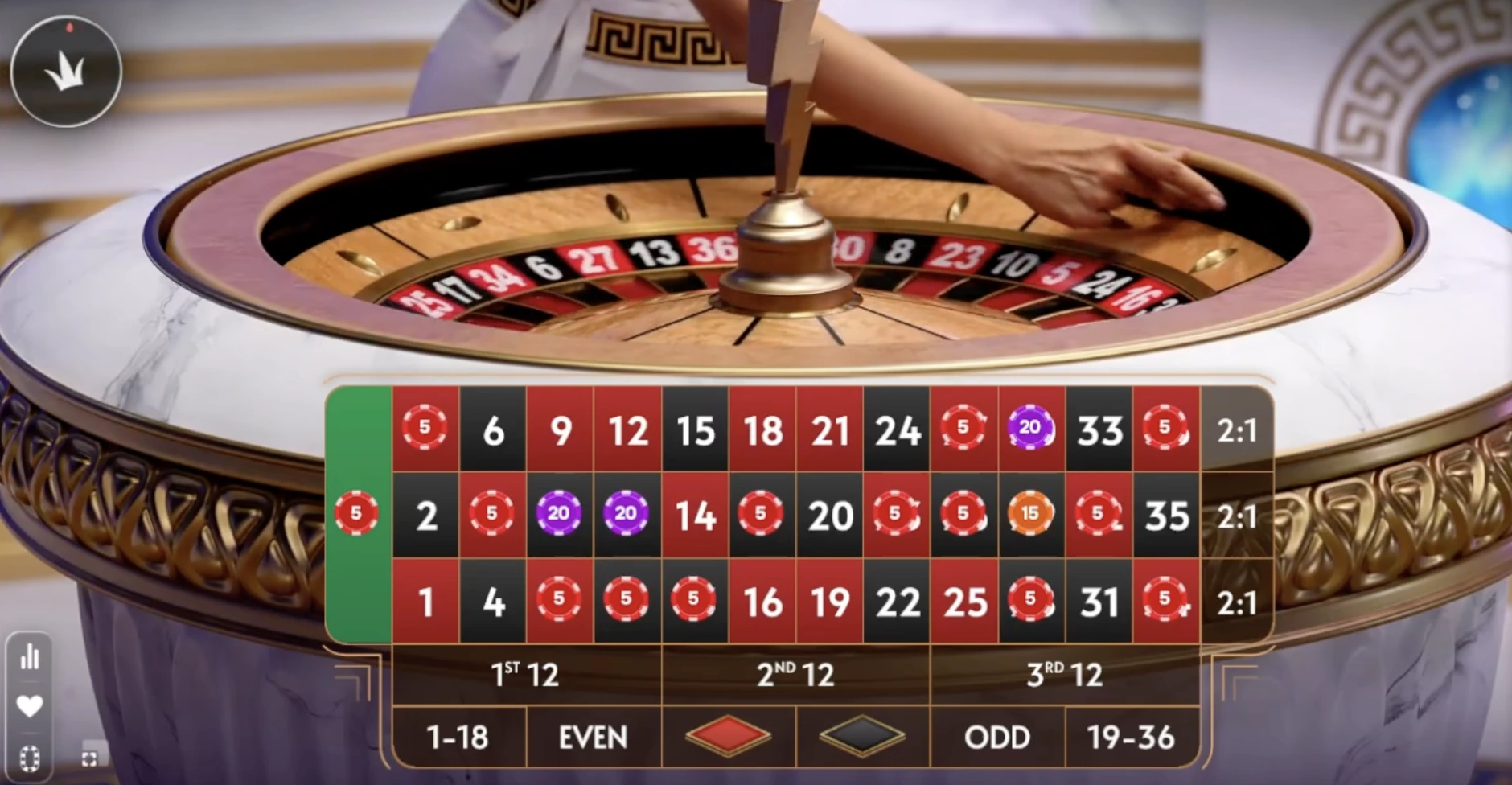
Roulette is the one to watch. It lands last in Playgon’s rollout, which means its tables stay human-hosted while baccarat and blackjack move first. That gap gives poker players, who run this kind of licensing and RNG audit for cardrooms as routine practice, a live comparison to make before an AI host enters the picture.
That checklist does not stop applying once a human dealer is replaced by a digital one. If anything it matters more, because the person a regulator once vetted individually is now a piece of software, and software still needs a paper trail behind it.
Poker players have spent years learning to separate a slick client from a fair one. The AI Dealer rollout puts that lesson in front of a different game, with roulette still running entirely on human hosts for now. The credentials worth checking, a valid licence, RNG certification and a clean track record, have not changed regardless of who or what is dealing the cards or spinning the wheel.