

What Will I Learn?
Psychology is the science that attempts to understand why we do what we do, and why we think what we think. While it can ultimately help us steer our behaviors and thought patterns toward the outcomes we want, sometimes it’s simply nice to understand the driving factors behind behavior. And it might come as extremely handy set of knowledge when you’re sitting at a poker table, risking significant amounts of money.
Take gambling and betting, for example. Regardless of whether you play a skill-and-luck-based game like poker, or a purely luck-based game like slots (without bonuses), the drivers of our behaviour and what happens in the brain are not that much different. Why? Because the psychology behind taking risks and chasing rewards has pretty much stayed the same. Let’s take a look at it more closely:
Our Brain Reacts to the Anticipation of the Reward
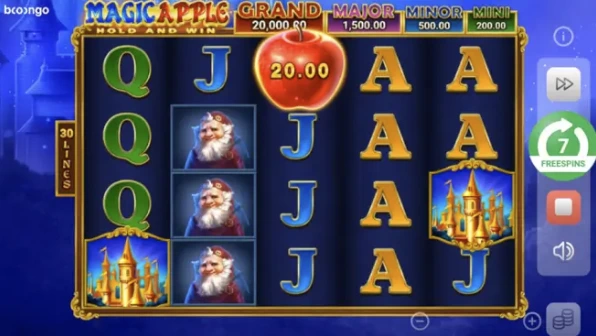
Despite common belief, our brains don’t really react to the reward itself. Instead, those dopamine receptors start firing just at the anticipation of the reward. So, we’re the most excited brain-wise before the outcome is clear. You can get that same dopamine hit playing a new slot game on Spin Casino as you can from a long, drawn-out project. While a slot game can help you enjoy it fast, in poker players can learn to get the reward from making the right decision, not from a favourable outcome. But this takes some experience and skill, as our brains are wired for learning through feedback loops.
Another example is the excitement you might have when seeing a deposit bonus email from a gambling operator or right at the start of a poker tournament, when you know there’s going to be action – but the result can be wildly good or a bit negative.
Humans Love Exploring New Things
The more our dopamine system activates, the less our brains react to it. This is particularly true when the stimulus is the same. Playing the same arcade game over and over starts to lose its novelty and, as a result, how much fun you have with it. The good news is that shifting to something new can bring back those dopamine hits.
You could play a new game, for example, or take on additional challenges. But, remember that when you take on new endeavours, making bad decisions might lead to good results or vice versa. Even the best decisions don’t guarantee the best outcomes every single time, as long as there is variance involved!
A good book to read on this subject, to further understand how to make smarter decisions based on expected value, would be Annie Duke’s Thinking in Bets. In the book, you can find great examples on strategies in various disciplines, including sports, poker & business, and learn useful guidelines to squeeze more value.
Taking Risks Bring an Adrenaline High
One element of the dopamine system that you do need to be careful of is the “adrenaline high”. The higher the risk you are taking, the more adrenaline you produce. Adrenaline by itself can make things feel more intense and even more pleasurable or exciting. However, it can also lead you to take risks you cannot afford, especially if you play poker or slots as a casual player, and not a poker pro or an advantage player. That’s why it’s so important to set limits while you have a cool head. If you’re playing at an online casino, for example, use the self-exclusion limits available so you don’t go over budget.
How Poker Pros Approach Taking Risks

High stakes players who rely on playing cards for a living have a very neutral stance on risking money to win more money. They hunt for +EV spots and pass when the odds are not in their favour, and participate in games where their bankroll allows them to play without too much of a risk of ruin.
Here’s a list of examples of how different Finnish high stakes pro’s approach taking risks, gathered from various podcasts in the 2020s:
| Player | Main Game Format | What they have said about risk-taking and bankroll management |
|---|---|---|
| Samuli Sipilä | Pot-Limit Omaha (PLO), mainly online cash games | Samuli has described busting his early bankroll as a teenager through sports betting and roulette, and says he has improved in controlling risk through experience. In PLO, you need roughly double the bankroll compared to Hold’em. (Source: Rec Poker Podcast, Youtube, Dec 2020) |
| Patrik Antonius | High-stakes live cash games and Triton high-roller tournaments, both NLHE & PLO | Warns that even top players go through long losing streaks, which can make them play too scared (which translates to being risk-averse and leaving money on the table). After a bad run, Patrik recommends a break and a return via softer or smaller games before moving back up. Says big stakes bring more focus and different pressure on both sides of the table. (Source: Antonius interview on Digital Social Hour Podcast by Sean Kelly, YouTube/podcast, 2025) |
| Markus “makeboifin” Leikkonen | No-limit hold’em 6-max, online high-stakes cash games, lately HU PLO as well | Credits coaching and a German stable (which was ran by a German pro Paul ‘internet’ Otto) with speeding up his progress, and calls coaching underrated. Says the stable took half his winnings for a year, but being able to go from NL10 to NL1k made a big difference. Describes his first upswing as the point where you imagine you have a ‘huge edge’ over everyone. (Source: Kärkipari podcast, season 3, episode 2) |
Casual Players: How to Balance the Pros with the Cons When Taking Risks
Chasing rewards can sometimes be a “frog in hot water” situation. From a calm standpoint, we’re actually more averse to loss because we feel loss more acutely than we do rewards. Once you get that adrenaline and dopamine going, however, the opposite can happen, with people taking more risks and their self-control dropping.
Check Your Reward System
Thankfully, there are many ways that we can keep the balance in check:
1. Always protect they money you use for living
This means you need to continue to be able to afford your basic lifestyle. Whether you place a bet, invest in a business, or play the stock market, you need to only work with money you can afford to lose. This needs to be a separate bankroll, and you never mix it with your everyday funds.
2. If you have a gambling problem, use available self-exclusion tools where possible
Chasing your losses is very dangerous. If you have a gambling problem, you should use self-exclusion tools at both brick-and-mortar casinos as well as online. These tools are widely available on iGaming sites, but not so common on trading platforms. Gambling games are only allowed for individuals aged eighteen (18) years or older. Play responsibly!