

Poker is often grouped together with casino games because luck plays a major role in determining what happens on any individual hand. You can make the correct decision and still lose, while a poorly played hand can sometimes turn into a big win.
However, poker is fundamentally different from games such as roulette, slots, and most other casino games. In poker, you compete against other players rather than directly against the casino. This means that good decision-making can give you an advantage over your opponents and, over a large enough sample, potentially allow you to become a profitable player.
Who Are You Playing Against
The biggest difference between poker and most casino games is who your opponent is.
When you play roulette or a slot machine, you are playing against the house. The casino builds a mathematical advantage into the game, meaning that the longer you play, the more likely the house is to realize that advantage.
Poker works differently. The casino or poker room usually makes money through the rake, taking a small fee from pots rather than directly betting against you.
Your real opponents are the other players at the table.
This creates an opportunity for skill to matter. If you consistently make better decisions than your opponents, you can potentially have a positive return, even after accounting for the rake.
That is why professional poker players exist.
House has a built-in edge in casino games
What about casino games in practice?
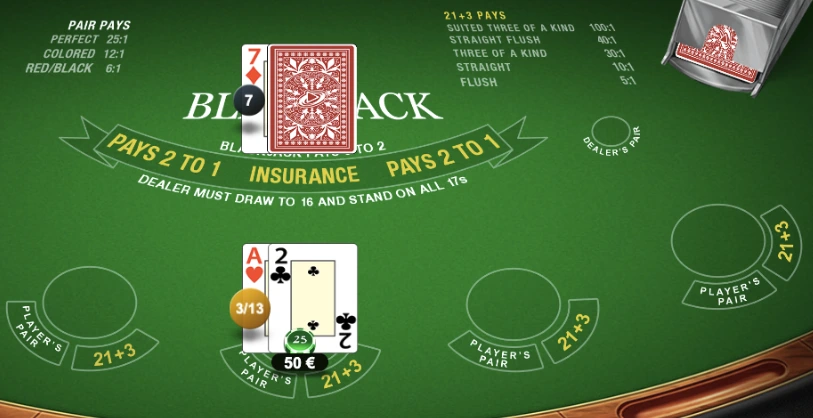
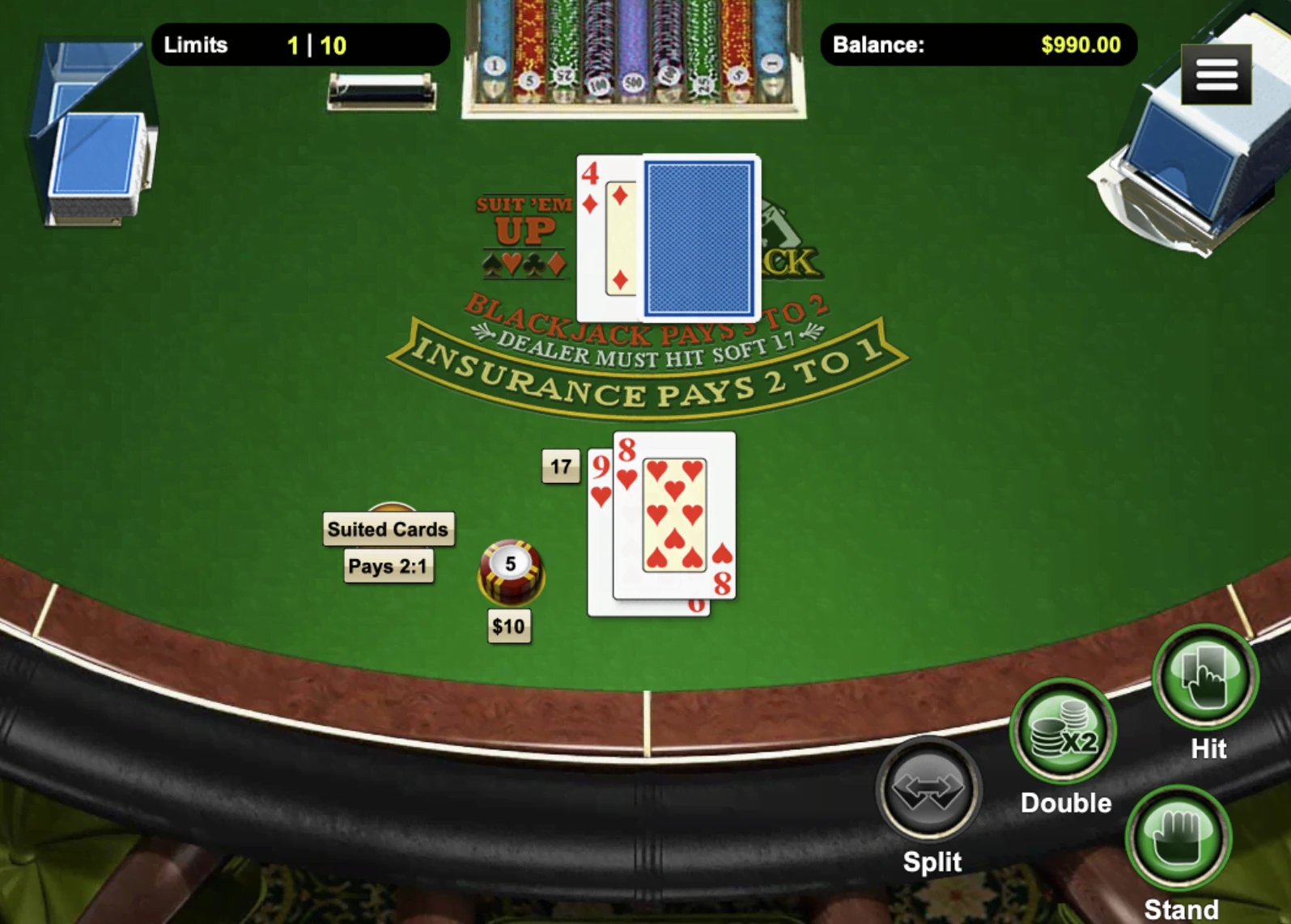
Let’s say you want to play blackjack online, a game that comes closest to matching poker in terms of prioritizing player decision-making prowess. You first do your due diligence reading Blackjack reviews to settle on the best platform to go with. Basic strategy is solid enough to ensure that the house edge is as low as 0.5%, so long as you follow it perfectly. That means you’ll have to be paying close attention to how you play every hand, and avoid silly mistakes like hitting when you should stand, or failing to double when basic strategy says this will net the best outcome.
That means you’ll have to be paying close attention to how you play every hand, and avoid silly mistakes like hitting when you should stand, or failing to double when basic strategy says this will net the best outcome.
Still, as you’re playing against the house, the only way to win long-term is to play with bonuses or promotions that push the RTP to over 100%, eliminating the house edge.
Luck vs. Skill: Poker is still heavily influenced by luck in the short term.
Imagine being dealt pocket aces against an opponent with a much weaker hand. You can make the correct decision by getting your money into the pot while you are ahead, but your opponent can still win if the right cards appear.
There is nothing you can do about that particular outcome.
This is why one hand, or even one short session, tells you very little about how good a poker player is.
As you play more hands, however, the quality of your decisions becomes increasingly important. You will still experience winning and losing streaks, but over a large sample, a player’s ability to consistently make profitable decisions has more opportunity to show itself.
The important point is that skill does not eliminate luck; it allows you to benefit from making better decisions repeatedly.
Why Decision-Making Matters in Poker
Poker gives players hundreds of decisions to make. You decide which hands to play, whether to raise, call, or fold, how much to bet, whether to bluff, how to react to different opponents, how aggressively to play, how much risk to take based on the pot and stack sizes
These decisions affect the expected value of your play.
For example, two players can receive the same starting hand but make completely different decisions with it. One might fold when the situation is unfavorable, while the other continues putting money into a pot without enough equity. On the other hand, the more skilled player knows how to balance his range with bluffs, making him harder to play against. A lesser skilled player might only play aggressively holding strong hands or play way too many overall.
The cards are the same, but the decisions are different. That is where poker skill creates an edge.
Casino Games Work Differently
Casino games generally have the opposite mathematical structure.
In roulette, for example, the payouts are designed so that the casino has an advantage over the player. Slot machines operate on the same basic principle, with the game designed to return less than 100% of the money wagered over the long term.
Blackjack is somewhat different because player decisions can significantly affect the result. Following basic strategy can reduce the house edge considerably compared with making random decisions but under normal rules, the casino still maintains an advantage.
This means that for a normal casino player, playing longer does not create an advantage. It gives the house more opportunities to realize its mathematical edge.
Casino Games vs Poker: When Are They Worth Playing
A strong player sitting at a table against several other highly skilled players may have a tiny or even negative expected winrate. This is rarely the case in casino games because the games are designed in a way for the house to always win.
However, even though the casinos are actively working on eliminating it, there are some very rare occasions where casino games can be profitable long-term.
The most obvious and simplest are cases where you have a promotion of some sort from the casino such as promotional offer ie. if you exchange a 100 dollars for chips they will give you 200. This means you have a freeroll on the extra money. Another case might be a progressive jackpot that has grown so large that the return-to-player percentage surpasses 100% which means you get more back than you have wagered in the long run. The lesser known and more rare conditions mostly due to the technical difficulty of them are counting cards in blackjack or a technique called edge sorting in some table games which would allow you to identify the value of a certain card to come based on the printing on the back of the card. However, these don’t play a part at online casinos.
Poker is not automatically profitable simply because skill matters. The game quality is extremely important. Equally the quality or rules of a casino game can determine what your return on a wagered amount is.