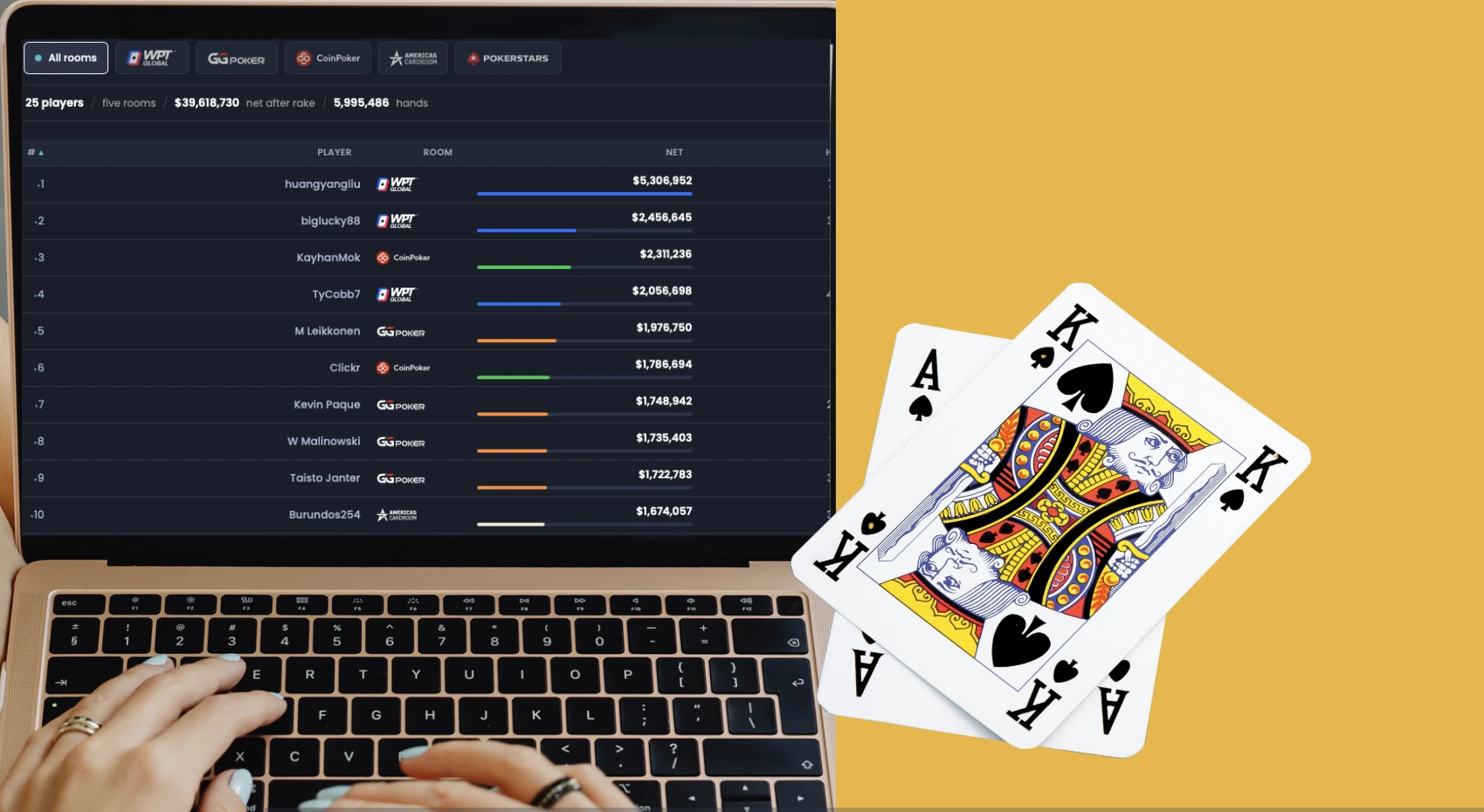


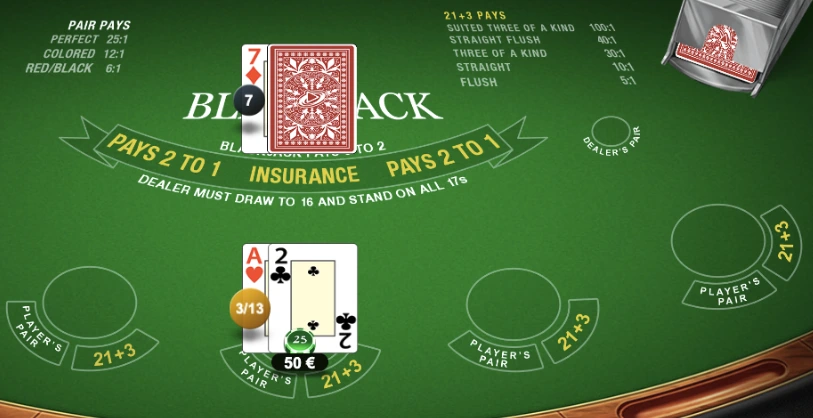
Tournament poker is rarely continuous. A player can spend six hours protecting a stack, bust just before dinner and then have nothing scheduled until the next flight. In Ontario, that idle time often unfolds inside casinos and digital platforms where blackjack is already within reach.
The province’s gambling structure makes the crossover unusually simple. Poker, casino games and sports betting operate within a single regulated framework rather than separate systems.
Why Blackjack Works Around a Poker Schedule
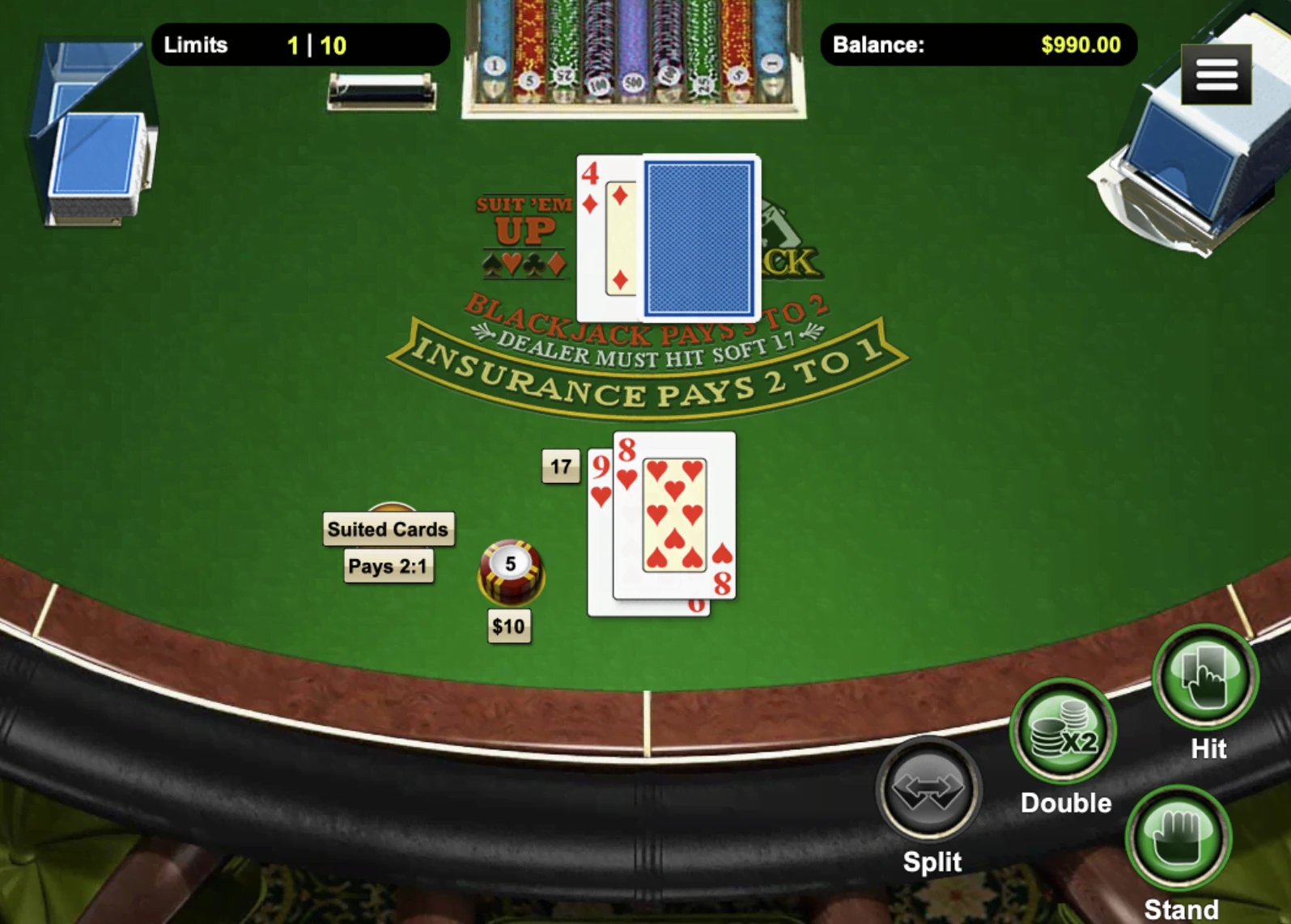
Poker tournaments impose their own timetable. Entry periods close, blind levels advance and players cannot simply pause a tournament and return later. Blackjack works differently. Hands take minutes rather than hours, players can join or leave without waiting for an event to begin, and there is no tournament field to outlast.
Those characteristics help explain the place of online blackjack ontario during breaks in poker activity. The game does not need to replace poker to compete for a player’s time. It only needs to fit into periods when another poker event is impractical.
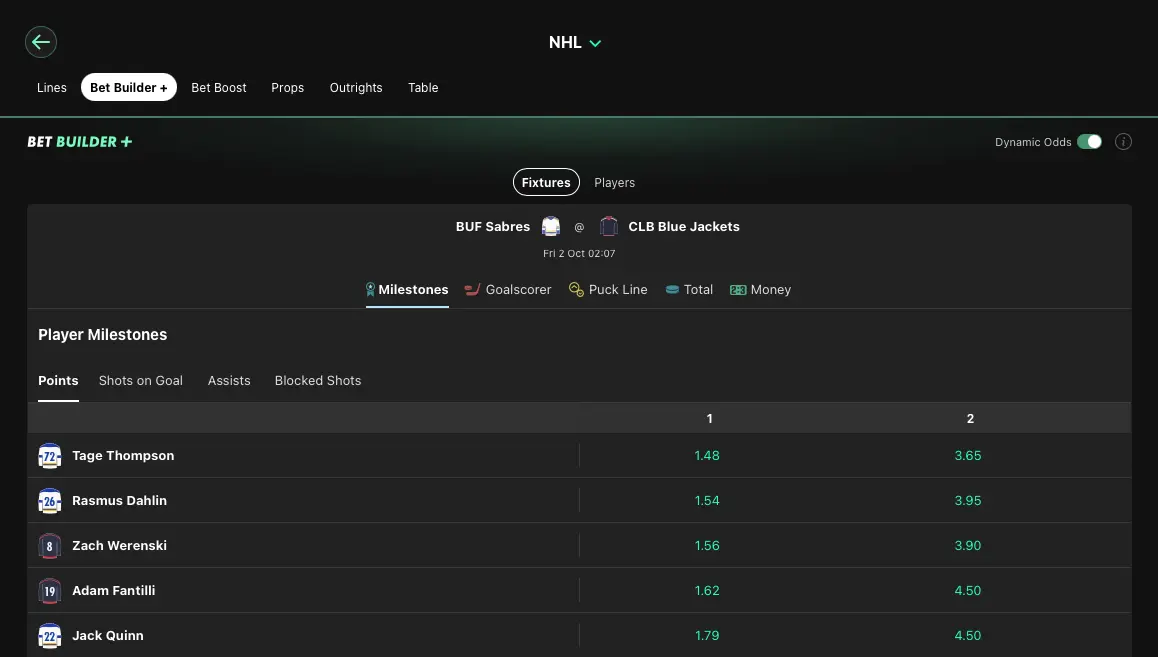
That same logic appears in Ontario-facing platforms. ToonieBet, launched in 2024, operates under Alcohol and Gaming Commission of Ontario oversight and an iGaming Ontario agreement. Its casino includes table and live-dealer games alongside sportsbook products. The relevant point is the architecture: several gambling formats are housed inside one regulated service instead of being treated as separate destinations.
Ontario’s Rules Shape the Crossover
Ontario opened its competitive regulated iGaming market in April 2022. By mid-2026, roughly 49 licensed operators were active across more than 80 gambling sites. Online poker remains ring-fenced, meaning players compete against others located within Ontario, but casino and sportsbook products can still sit beside poker within the provincial framework.
That setup changes the mechanics of moving between games. A player already verified on a licensed platform operates within one account — which also means the same deposit limits and responsible-gambling controls apply across every product on it.
Regulation also matters beyond convenience. Licensed operators are subject to provincial rules, dispute procedures and responsible-gambling requirements. The safeguards do not reduce blackjack to a low-risk activity, but they create a different operating framework from offshore sites.
The Casino Floor Creates the Same Pattern
Ontario’s physical casinos reinforce the digital model. Several properties place poker rooms near blackjack pits and other table games. For someone eliminated from a tournament or waiting for a later flight, the alternative may be only a short walk away.
The contrast in pacing is important. Tournament poker depends on stack size, blind structure, field strength and survival. Even a short event can occupy most of a day. Blackjack has no comparable tournament commitment when played as a standard table game. A session can last ten minutes or two hours without affecting an event schedule.
That makes it well suited to fragmented periods rather than necessarily to long planned sessions.
Tournament Calendars Produce Those Gaps
The 2026 Canadian poker calendar shows how frequently those gaps can occur. Major festivals across late August and September feature numerous events, multiple starting flights and separate registration periods. A player can finish one tournament in the afternoon and have no meaningful poker option until the following morning.
There is an important limit to the evidence. Available market data does not establish how many professional poker players use blackjack between events, nor does it show that the behaviour is universal. The stronger conclusion is structural: tournament schedules create downtime, and Ontario’s gambling venues make other table games easy to access during it.
Poker and Casino Revenue Are Moving Differently
Ontario’s July 2026 figures add another dimension. According to provincial market reporting, the province recorded CA$9.9 billion in monthly cash wagers and CA$414 million in operator revenue. Casino wagering rose year over year, while peer-to-peer poker handle declined to CA$116 million, extending a multi-month fall.
Those figures should not be read as evidence that money leaving poker is flowing directly into blackjack. They show something narrower but still useful: poker occupies a relatively small part of Ontario’s regulated gambling economy, while casino products account for far more activity.
For adults who choose to gamble, short breaks can still accumulate into substantial playing time. Deposit limits, time controls and spending limits available through regulated Ontario operators can help keep gambling within predetermined boundaries. Gambling should be treated as entertainment, not as a reliable source of income, and support is available through ConnexOntario for anyone experiencing difficulty controlling their play.
The poker-to-blackjack crossover in Ontario is ultimately less about preference than logistics. Poker dictates when a player can compete. Blackjack is available in the hours when poker is not.
Online gambling in Ontario is restricted to those of legal gambling age in their province.