

Ten years ago, learning poker meant studying strategy on forums, buying a book, finding a local game or playing small stakes online while figuring out the basics. The feedback loop was slow, the resources were scattered, and most beginners had no real way to study how strong players actually thought through hands.
That barrier has collapsed. Between streaming platforms, YouTube channels, dedicated poker communities, and AI tools, a complete beginner can now go from knowing nothing to playing with genuine competence faster than ever before. The sheer volume and quality of learning material available today would have seemed unrealistic to anyone who started playing in the early 2000s.
A Variety of Video Material
One of the main reasons learning poker has become so accessible is the sheer variety of video material now available to anyone with an internet connection. A beginner no longer needs to find a mentor or sit through expensive coaching sessions to understand hand ranges, pot odds, or positional play.
The knowledge is there; it is free, and it is presented in formats that suit different learning styles, whether that is short explainers, full session reviews, or long-form strategy breakdowns.
This is a genuine shift in how poker knowledge spreads. Previously, advanced strategy lived inside the heads of winning players or inside paid training sites with high subscription costs. Now the same concepts are laid out clearly in videos that anyone can find within minutes. For a beginner trying to understand why a check-raise on a wet board makes sense, or why three-betting light from the button is a legitimate play, there is almost certainly a video walking through exactly that scenario.
YouTube has been central to this. Channels dedicated entirely to poker coaching and strategy have built enormous libraries of content covering everything from preflop fundamentals to advanced GTO concepts. Creators like Jonathan Little, Brad Owen, and various others have made serious poker education available to anyone willing to watch. The format works well for poker; hand histories can be replayed, decisions paused and discussed, and reasoning explained step by step. A beginner can watch a professional walk through a session, hear every thought process articulated out loud, and immediately apply that thinking to their own game. That kind of structured, visual learning is hard to replicate through text alone.
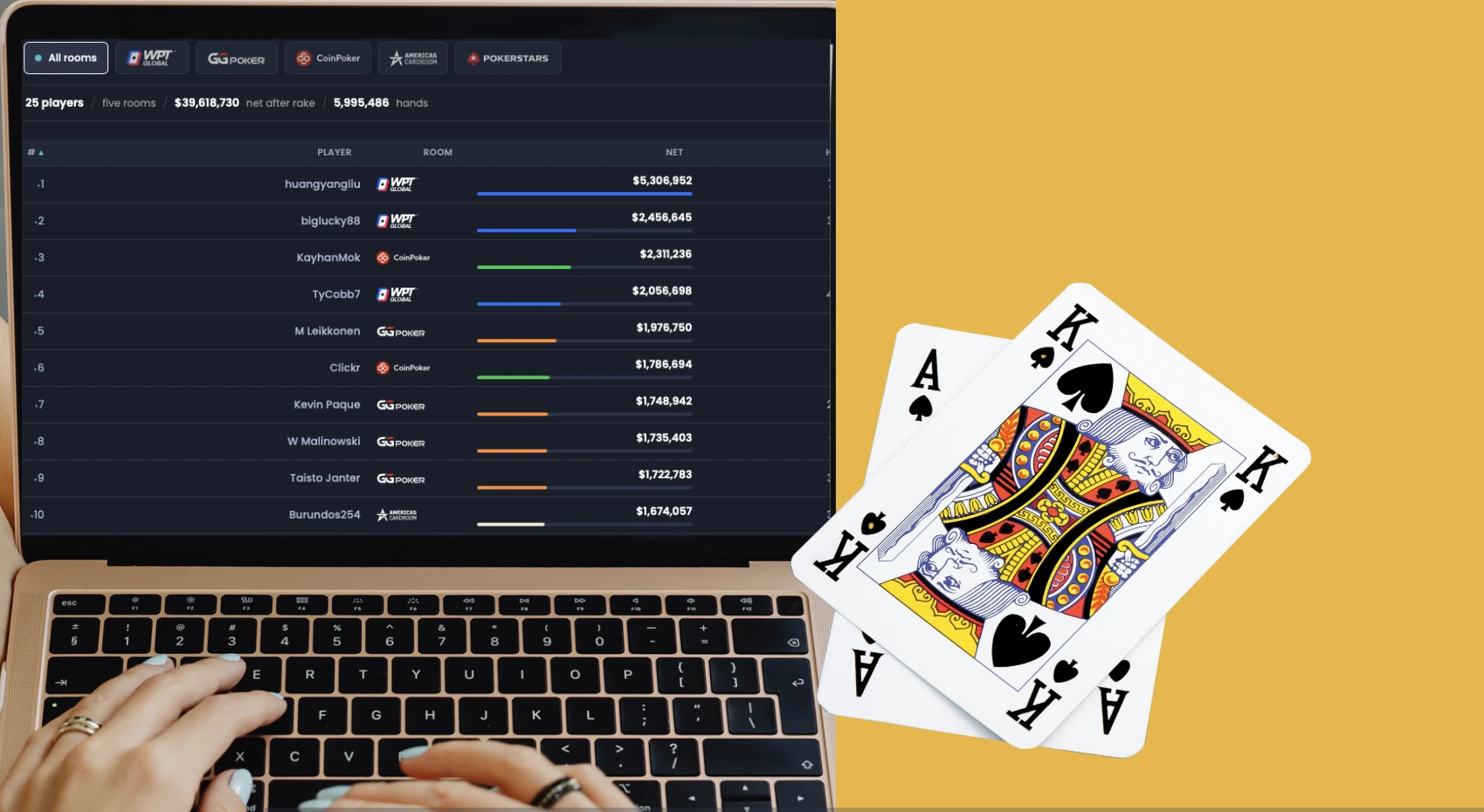
Another improvement has been the rise of streaming platforms where dedicated poker experts stream to a wider audience. Casino Streamers has emerged as the main site in that respect. Poker fans looking for consistent coverage can check out where live poker action is streamed daily rather than relying on Twitch’s mixed content mix. The difference matters. On a general platform, poker content competes with gaming, music, and everything else. A dedicated directory cuts through that noise and connects viewers directly with the streamers who are serious about the game. Watching a skilled player navigate a real session (making decisions under pressure, adjusting to opponents, managing stack sizes) teaches things no tutorial can fully replicate.
Written Resources and Poker Communities
Video content dominates, but written resources remain valuable and should not be overlooked.
The hand history threads alone contain thousands of real examples where players post tough spots and receive detailed feedback. For a beginner willing to read carefully, that archive is a goldmine. The discussions are often blunt and direct; experienced players do not soften bad decisions, which makes the feedback genuinely useful.
Poker blogs written by winning players offer a different kind of value. They tend to be more personal than forums: a player writing about their own leaks, mental-game struggles, or the adjustments they made over a long downswing gives a beginner something relatable and honest. The best poker blogs don’t just explain strategy; they explain what it actually feels like to apply it under pressure, and why it is harder than it looks on paper.
Poker subreddits, particularly r/poker, are active enough that posting a hand for review usually brings responses within hours. The community skews toward recreational players, but the better threads include genuinely strong analysis. For someone who cannot afford a coach but wants feedback on their thinking, these communities fill a real gap.
AI Tools Have Added Something Genuinely New
ChatGPT and similar AI tools have introduced a learning method that didn’t exist until recently. A beginner can now describe a hand in plain language (the positions, stack sizes, bet sizing, and action) and receive a detailed breakdown of how a strong player might approach each decision.
The AI will not always get the nuances right, but for foundational concepts like why a continuation bet makes sense or how to think about river calling frequencies, it is a surprisingly effective tutor.
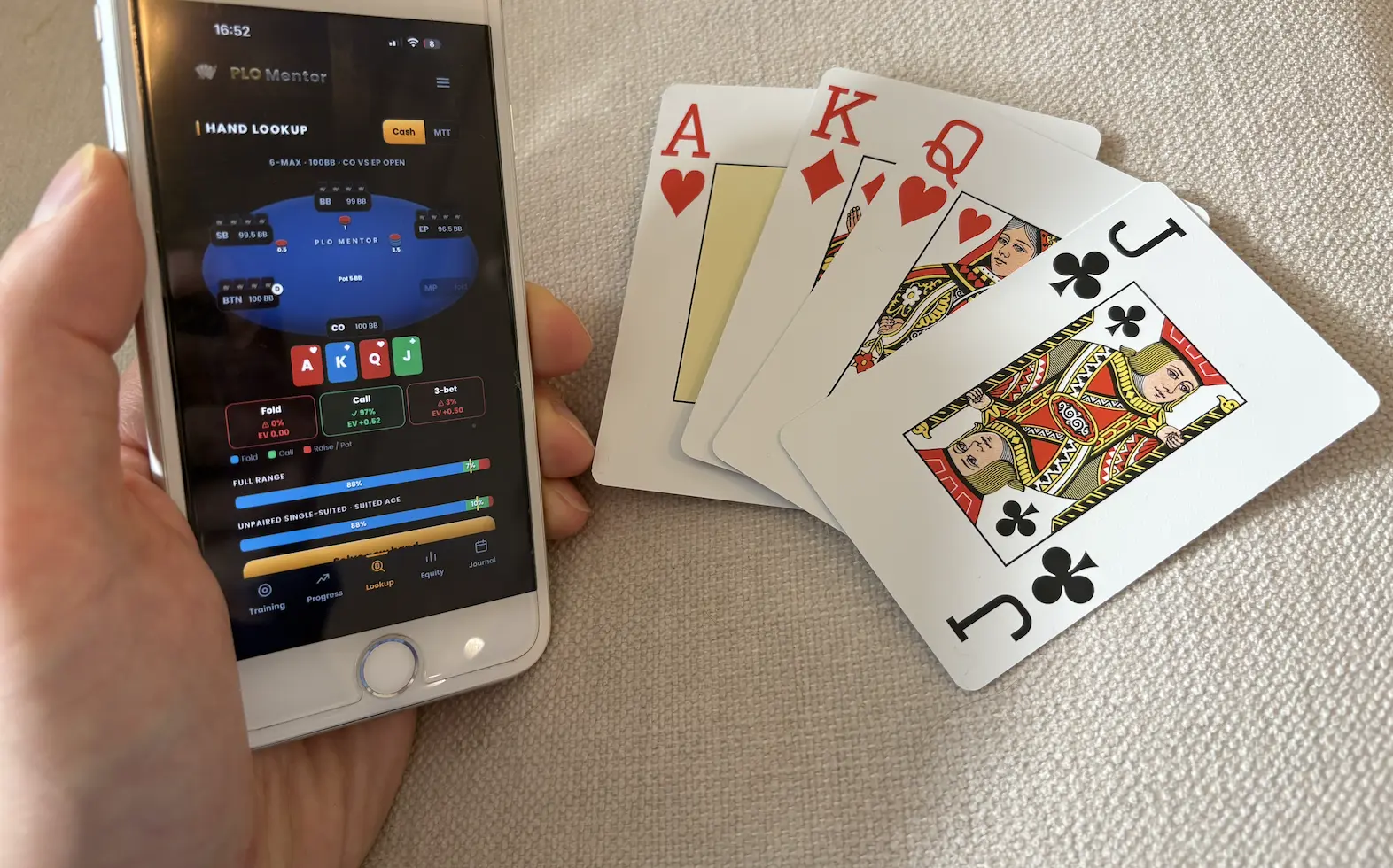
What makes AI useful for poker learners is its on-demand nature. A training video might cover check-raising strategy in general terms, but nowadays a beginner can ask ChatGPT about a specific hand they just played and get some type of response tailored to that exact situation. While the answers are not that good yet compared to real poker training tools, they might improve over time.
That kind of instant feedback accelerates learning in a way that static content cannot. It is not a replacement for real study or real play, but as a supplement, especially for players without a poker community around them, it is a meaningful addition to the toolkit.
The Real Advantage Is Combining All of It
No single resource covers everything. The players who improve fastest tend to use multiple formats together: watching streams to see decisions made in real time, studying YouTube breakdowns to understand the theory behind those decisions, and using forums or AI tools to stress-test their own thinking.
Poker rewards players who approach it seriously, and the resources available now make it easier than ever to do exactly that.
The game’s fundamentals haven’t changed. Position still matters, ranges still need to be balanced, and discipline at the table still separates winning players from losing ones. What has changed is how quickly a determined beginner can get to grips with it all. The learning curve is still real, but it has never been shorter.