


Sit down in a blackjack game at Commerce or the Bike and something happens that would look bizarre anywhere else in the world. Every hand or two, the position of the bank moves. Sometimes it is offered to you. Usually somebody at the table who is clearly not a recreational player takes it every time.
Most people playing those games have never been told why. The answer is a constitutional workaround, and it explains more about California gaming than any other single fact.
The Rule That Created It
California card rooms cannot bank a game. Not by choice, not by licensing preference, but because banked games are Class III gaming and Proposition 1A reserved Class III exclusively to federally recognised tribes when voters amended the state constitution in 2000.
That is a hard line. A card room can host a game, take a fee for the seat, deal the cards and run the room. What it cannot do is put its own money against the players.
Which presents an obvious problem for any game that structurally requires a bank. Blackjack needs somebody covering the bets. Baccarat needs somebody covering the bets. Pai gow needs somebody covering the bets.
The solution was to separate the room from the bank entirely. Card rooms run the game, and a separate licensed business supplies the money. The structural split between what card rooms may offer and what remains tribal-exclusive is set out in detail (source: https://www.newgamenetwork.com/casinos/california/).
How a TPPP Actually Works
Third-party proposition player businesses are licensed separately, and they are proper companies rather than individuals with a bankroll.
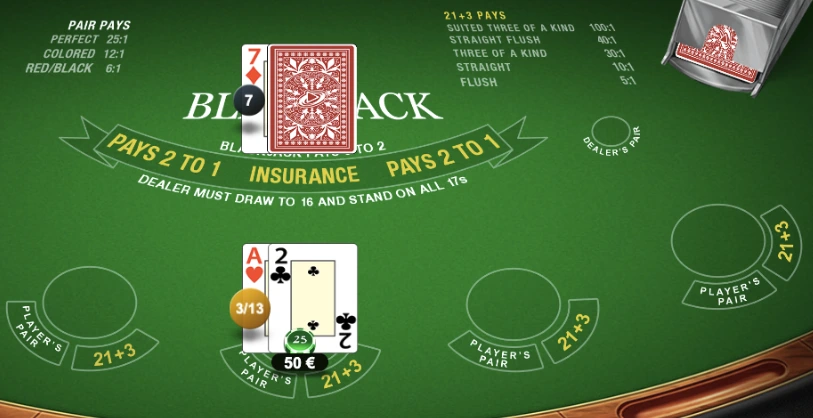
The mechanics work like this. The player-dealer position rotates around the table, as it must, because a permanently fixed bank would recreate exactly what the law prohibits. Each player is offered the position in turn. Most decline, because covering every other bet at the table requires capital most recreational players do not have and would not risk.
The proposition player takes it every time. That is the entire business: sit in the game, accept the bank whenever it comes around, and cover the action.
The card room charges its collection, a fee per hand or per half hour, from every seated player including the proposition player. The room’s revenue is that fee. It is genuinely indifferent to who wins.
So three parties with three different economics at one table. The house sells seats. The proposition player takes the mathematical position. The other players are playing a banked game that is technically not a banked game.
What This Means at the Table
Several things worth knowing if you are sitting in these games.
The bank has an edge and it is not the house’s edge. The proposition player is running a business with a bankroll, staff and a licensing burden, and the position has to return more than it costs. That expected value comes out of the same place it always does.
The rotation is real and you can take it. You are entitled to the bank when it reaches you. Almost nobody does, and the reason is capital rather than rules. Covering the table for a round requires standing behind every other bet simultaneously.
The collection is the room’s product. Because the card room profits from hands dealt rather than from outcomes, its incentive is throughput. More hands per hour is the entire business model, which is why these rooms run so many tables and push pace the way they do.
It is fully licensed and regulated. The proposition player companies hold their own licences and are supervised. This is a legal structure built deliberately to satisfy a constitutional constraint, not a loophole somebody found.
Why California Poker Is Enormous and Online Poker Does Not Exist
The same constitutional split explains the other odd thing about this state.
California has the largest card rooms on the planet. Commerce, the Bike, Hustler and Hawaiian Gardens run more tables between them than most countries have in total, and the live poker economy here is unmatched anywhere.
Poker itself was never the problem, because poker is not banked. Players wager against each other and the house takes a rake, which sits comfortably outside Class III. That is precisely why the rooms could grow without limit while blackjack required an elaborate workaround.
Online poker is a different question, and it has failed since 2008 for a reason that has nothing to do with the games. Any framework requires agreement between tribes, card rooms and racetracks, three constituencies with incompatible interests and enough political weight each to block the others. Twenty years of bills have died in that arithmetic.
So the state with the deepest live poker infrastructure in the world has no regulated online poker, and both facts trace back to the same 2000 ballot measure.
What to Take From It
Three points for anyone playing in these rooms or reading about the market.
Know which seat you are in. In a rotating-bank game, the person taking every bank is a licensed business with an operating model. That is not a criticism, it is simply worth understanding before you assume the table is symmetric.
Poker and the pit are governed differently. Your poker game is legal on completely different grounds from the blackjack table across the room, and confusing the two leads people to wrong conclusions about what the state permits.
The structure explains the roadmap. Anyone predicting what California does next on gaming should start with what requires a constitutional amendment and what does not. That distinction has decided every outcome here for twenty-five years, and it will decide the next one too.